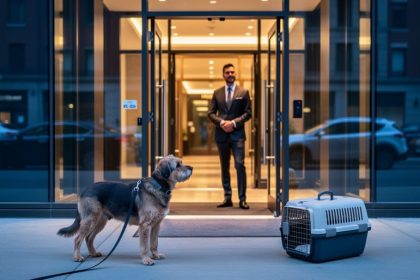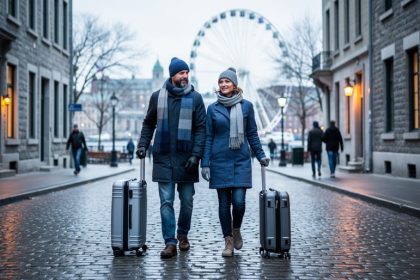
Montreal welcomes visitors with bilingual charm and European flair, but navigating this unique Canadian city confidently means understanding a few key local rules and customs. You’ll need to know which language to use where, how tipping works in restaurants and hotels, where alcohol can be purchased and consumed, and what behaviors could result in fines. The city blends French culture with North American convenience, creating customs that differ from both the rest of Canada and the United States.
This guide cuts through the confusion with practical, street-level advice on legal requirements and cultural expectations. Whether you’re preparing for a weekend getaway or a longer business trip, you’ll find the essential information organized by topic so you can scan what matters most to your plans. We’ve included time-saving hacks and insider tips to help you avoid common visitor mistakes.
Understanding these fundamentals before you arrive means spending less time worrying about etiquette missteps and more time enjoying what makes Montreal special. From language courtesy to jaywalking enforcement, the rules here reflect the city’s distinct character. Follow this guidance and you’ll move through Montreal like someone who belongs.
Language Laws and Practical Communication
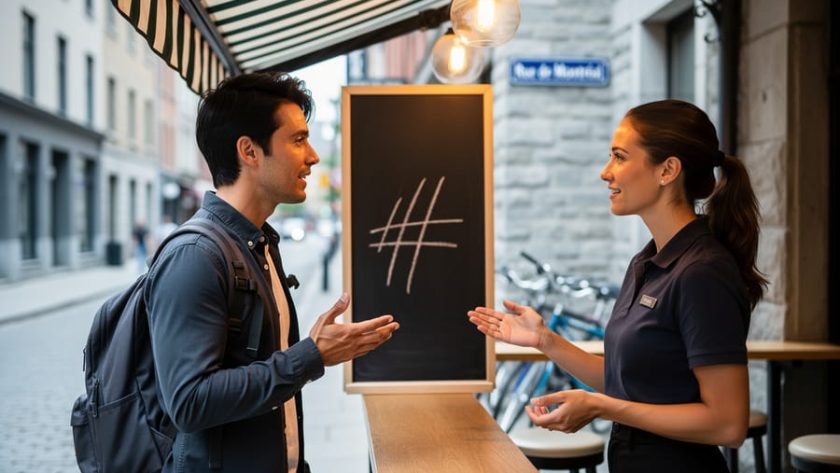
Quebec’s Charter of the French Language makes French the province’s official language, but visitors shouldn’t let this intimidate them. Montreal operates as a genuinely bilingual city where most people switch seamlessly between French and English, particularly in downtown areas, tourist districts, and major attractions. You’ll find menus, signage, and information available in both languages at hotels, museums, and popular restaurants.
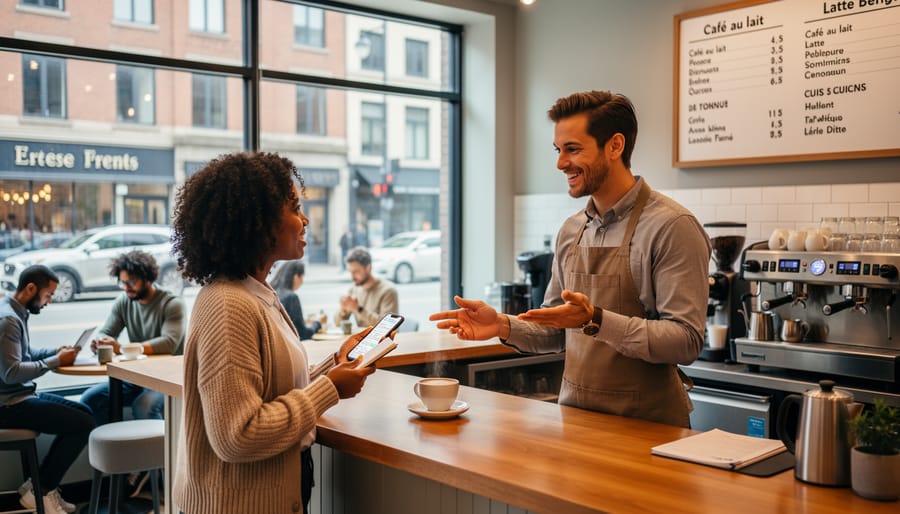
The law requires businesses to display French prominently on signs and menus, which explains why you’ll see French listed first or in larger text. Some establishments display only French externally while providing English menus inside upon request. The French trademark marking rules mean even international brand names must include French descriptors, so don’t be surprised to see familiar businesses with additional French text.
Service staff in tourist areas almost always speak English and will happily switch when they hear your accent or if you ask politely. Starting interactions with “Bonjour” before transitioning to English shows respect and typically ensures friendly service. In neighborhoods like the Plateau, Mile End, or Westmount, English is commonly heard on the street.
Venture into more residential francophone areas like Rosemont or Hochelaga-Maisonneuve, and you’ll encounter more French-only situations. Servers and shopkeepers in these neighborhoods may have limited English, but friendliness and basic courtesy bridge most gaps. Montreal’s cultural pride in French doesn’t translate to hostility toward English speakers who make an effort to be respectful. The key is demonstrating willingness rather than expecting everyone to accommodate you immediately.
Alcohol and Cannabis Regulations
Alcohol in Montreal is sold exclusively through SAQ (Société des Alcools du Québec), the provincial liquor corporation, with locations throughout the city ranging from compact outlets to flagship stores with extensive wine selections. You’ll find beer and wine at convenience stores and grocery stores as well, but spirits require an SAQ visit. The system feels structured compared to some regions, but stores are plentiful and well-stocked once you know where to look.
Cannabis operates similarly through SQDC (Société Québécoise du Cannabis), the government-run retailer. These modern storefronts require valid government-issued ID proving you’re of legal age. Staff can guide you through product options if you’re unfamiliar with the system. Hours vary by location, so checking online before heading out saves time.
Public consumption rules are strict for both. Drinking alcohol in parks, streets, or outdoor areas is prohibited unless you’re at a licensed terrace or during specific permitted events. Cannabis smoking follows the same restrictions as tobacco: not allowed in most public spaces, including parks, building entrances, and patios. Discreet isn’t a loophole here, enforcement happens, and visitors sometimes misjudge how seriously Montreal takes these restrictions.
Crossing borders with alcohol or cannabis requires attention. If you’re flying internationally, you can’t bring cannabis on the plane or across any international border, even into regions where it’s legal. Strict federal laws apply. For alcohol, international travelers face duty limits when entering Canada, and provincial borders have their own restrictions on quantities you can transport between provinces. The practical approach: consume what you buy in Montreal rather than planning to travel with it.
Hotel concierges can point you toward nearby SAQ or SQDC locations, which is often faster than searching independently in an unfamiliar neighborhood. Understanding these systems upfront lets you stock up efficiently without wasting valuable travel time hunting for what you need.
Traffic and Pedestrian Laws
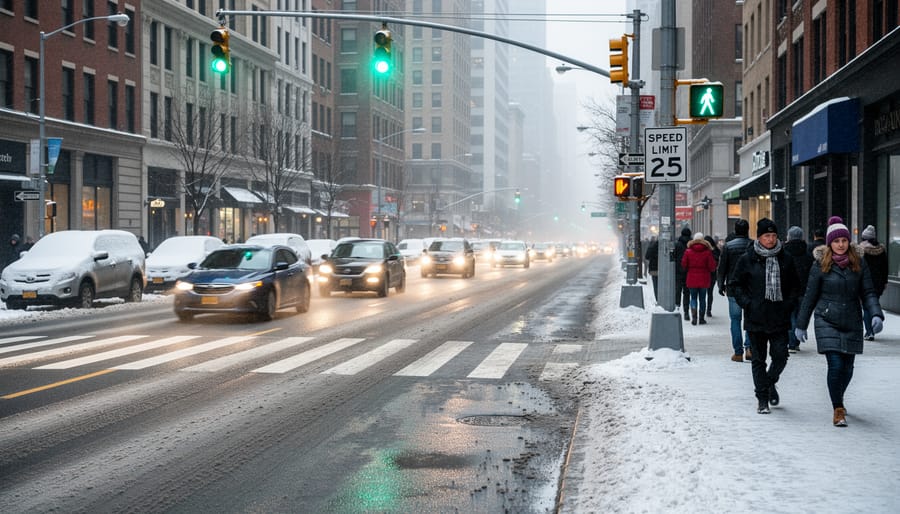
Montreal enforces traffic and pedestrian rules more strictly than many North American cities, and understanding the key differences helps visitors avoid hassles whether you’re on foot or behind the wheel.
Jaywalking and Crossing Rules
Police actively ticket pedestrians who cross against signals or outside marked crosswalks in busy areas. Montreal takes pedestrian law enforcement seriously, you’ll see locals waiting for walk signals even when streets appear empty. Always use marked crossings and wait for the pedestrian signal, especially downtown and in tourist districts where enforcement is most visible.
Right Turns on Red: Quebec’s Exception
Unlike most of North America, right turns on red lights are illegal throughout Montreal Island. You must wait for a green light before turning right at any intersection unless a sign specifically permits it (rare). Visitors used to turning right on red elsewhere often trigger honking from locals or risk tickets, this rule catches tourists off guard regularly.
Parking Enforcement Reality
Montreal’s parking officers work efficiently and ticket aggressively. Street signs often stack multiple restrictions (snow removal routes, resident permits, time limits) that take careful reading. Many neighborhoods enforce alternate-side parking for street cleaning. Pay close attention to posted signs and their specific time windows. Parking apps like P$ Mobile make paying meters easier than hunting for coins.
Winter Tire Requirements
Quebec law requires winter tires on all vehicles from mid-December through mid-March. Rental car companies automatically equip vehicles with winter tires during this period, usually building the cost into winter rental rates. If you’re driving your own vehicle into Quebec during winter months, you must have proper winter tires installed, this isn’t optional.
Stop Sign Protocol
Quebec uses four-way stops extensively. The first vehicle to arrive goes first; if simultaneous, the rightmost vehicle has priority. Montrealers expect everyone to follow this order precisely.
Tipping Culture and Service Expectations
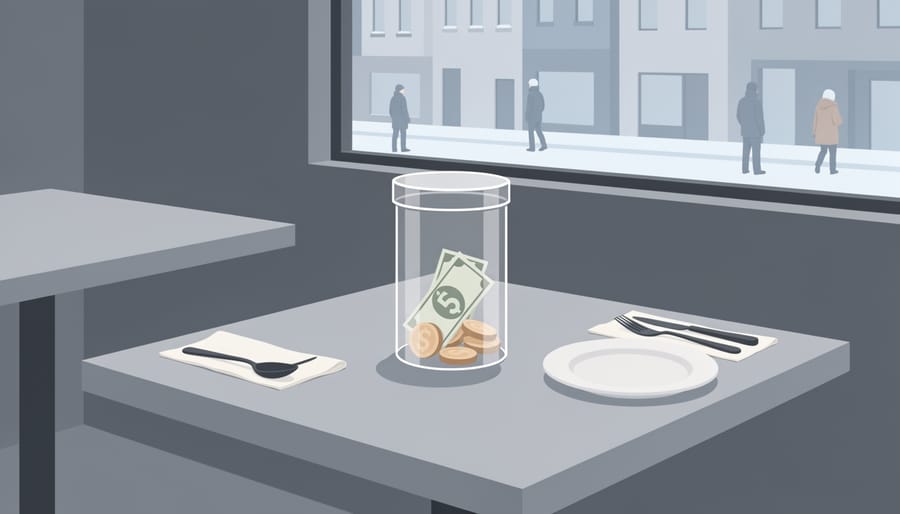
Montreal follows a tipping culture similar to other North American cities, with gratuity expected in most service situations but not automatically included on your bill. Understanding when and how to tip helps you budget appropriately and show appreciation without overthinking each transaction.
Restaurants with table service are where tipping matters most. Servers rely on gratuity as a significant portion of their income, and locals typically tip based on the pre-tax total. Quality service warrants a generous tip, while adequate service calls for a standard gratuity. Poor service is the only situation where reducing or skipping the tip is socially acceptable, and even then, Montreal diners tend to tip something unless the experience was truly problematic.
Bar service follows similar expectations. When ordering drinks at a bar, leaving something per round or per drink is standard practice. If you’re running a tab, you can tip when closing out. Hotel housekeeping appreciates daily gratuity left in the room, and bellhops or doormen who assist with luggage expect recognition for their help.
Taxis and ride-share drivers expect tips comparable to restaurant service, especially if they’ve helped with luggage or provided helpful local advice. You can save money with timing by traveling during off-peak periods when you’ll take fewer rushed trips.
Fast-casual restaurants, coffee shops, and takeout counters increasingly present digital tip prompts, but tipping here is genuinely optional, these are lower-pressure situations where leaving something is appreciated but not expected the way it is for full table service.
Sales Tax and Payment Norms
When you see a price tag in Montreal, remember it’s not the final amount you’ll pay. Sales tax gets added at checkout, a practice that catches many visitors off guard, especially those from countries where tax is included in the displayed price. Quebec uses a two-tier tax system: federal tax applies to most goods and services, followed by provincial tax calculated on the same base amount. Combined, these taxes add a noticeable amount to your bill, so budget accordingly when shopping or dining.
Most establishments in Montreal accept major credit cards, and contactless payment has become standard at restaurants, shops, and transit stations. Visa and Mastercard work everywhere; American Express is widely accepted but occasionally declined at smaller venues. Debit cards with chip-and-PIN functionality also work smoothly. Mobile payment options like Apple Pay and Google Pay are common in the city center and tourist areas.
Cash still matters in certain situations. Some neighborhood cafés, food trucks, and family-run shops prefer cash or impose minimums for card transactions. Farmers markets and street vendors often operate cash-only. It’s wise to carry small bills for these occasions and for tipping in service situations where leaving cash feels more direct.
ATMs are plentiful throughout Montreal, but check whether your bank charges foreign transaction fees if you’re visiting from outside Canada. Currency exchange services exist at the airport and downtown, though rates vary, your bank card at an ATM typically offers better value than airport kiosks.
Smoking and Vaping Restrictions
Montreal enforces strict no-smoking laws that catch many visitors off guard. You can’t light up indoors anywhere, restaurants, bars, offices, and shopping centers are all smoke-free. The rules extend outdoors too: smoking and vaping are banned near doorways, windows, and air intakes of most buildings, though the exact distance varies. You’ll also find restrictions in parks, on patios attached to restaurants, and near playgrounds and sports fields.
Enforcement is taken seriously. Property owners and business managers actively monitor compliance, and you’re likely to be asked to move if you’re smoking where you shouldn’t. Fines exist for violations, and while they’re not issued constantly, the risk is real enough that most locals comply without complaint.
Finding a legal spot isn’t difficult once you know the pattern. Public sidewalks away from building entrances work fine, as do many streets and open spaces. Look for designated smoking areas near office buildings, transit stations, and some parks, they’re usually marked. Hotel balconies are generally allowed unless the property specifically prohibits smoking.
The same rules apply to both cigarettes and vaping devices. Don’t assume e-cigarettes get a pass, they’re treated identically under Montreal’s regulations. When in doubt, ask staff or step well away from entrances and crowds.
Cultural Etiquette for a Smooth Visit
Montrealers appreciate politeness but value authenticity over excessive formality. A simple “bonjour” when entering shops or restaurants goes a long way, locals greet service staff as a matter of course, not just when they need something. If your French stops there, don’t worry. Most Montrealers switch to English readily, but the gesture of greeting in French signals respect.
Dining moves at a more relaxed pace than in many North American cities. Servers won’t rush you or drop the check unasked, that’s considered pushy. When you’re ready to leave, catch your server’s eye or ask for “l’addition.” Meals are social events, and lingering over coffee is normal. For diverse dining options in a casual setting, check out our food halls guide.
Residential neighborhoods value quiet, especially after 10 p.m. Keep voices down on residential streets at night, and avoid dragging luggage on cobblestones late at night if possible. When you choose a neighborhood for your stay, this matters more in the Plateau and Mile End than in the downtown core.
Personal space norms lean European. Expect closer conversational distances than you might be used to, and cheek kisses (two, alternating) are standard among friends and sometimes new acquaintances in social settings. Montrealers dress well, even casually, and tend to notice when tourists don’t. You needn’t dress formally, but clean, put-together outfits help you blend in better than athletic wear or overly touristy gear.
Frequently Asked Questions
Do I need to speak French to visit Montreal?
No, you don’t need to speak French. Most people in central Montreal are bilingual, and you’ll find English widely spoken in hotels, restaurants, and tourist areas. That said, learning a few basic French phrases like “bonjour” and “merci” demonstrates respect and is appreciated by locals.
Can I drink alcohol in public parks?
Generally, no. Montreal prohibits open alcohol containers in most public spaces, though some parks allow wine or beer during meals if you’re also consuming food. If you’re unsure, assume it’s not permitted and look for a licensed patio or terrace instead.
Are credit cards accepted everywhere in Montreal?
Credit cards are widely accepted throughout the city, including contactless and mobile payments. A few smaller establishments, food trucks, or market vendors may prefer cash, so it’s smart to carry some Canadian dollars for flexibility.
What happens if I jaywalk in Montreal?
While jaywalking is technically illegal, enforcement varies by neighborhood and time of day. Locals cross mid-block frequently when traffic is clear, but police do issue tickets in busy areas or during enforcement campaigns. Use marked crossings during peak hours to avoid any issues.
These questions reflect what most visitors want to know quickly before they arrive. The cultural side of Montreal is generally welcoming to tourists who make a basic effort to respect local customs, and the legal framework is straightforward once you understand a few key rules. Most visitors find that Montreal strikes a nice balance between European formality and North American casualness, making it easy to navigate once you know what to expect.