
Visit Montreal between mid-January and March (excluding winter carnival weeks) when hotel rates drop 40-60% compared to summer peaks and flight prices from major U.S. cities fall to $150-250 roundtrip. Book accommodation at least 45 days ahead during November’s shoulder season to catch pre-winter discounts of 30-35% while still enjoying mild weather and shorter attraction lines.
Target the second week of November or late March for the sweet spot—prices comparable to deep winter but with better weather and all major attractions open. You’ll save both money and precious vacation time by skipping the 45-minute restaurant waits and crowded Metro trains common during peak summer months.
Apply strategic time-saving travel hacks by visiting Tuesday through Thursday when boutique hotel rates drop an additional 15-20% compared to weekends. Downtown hotels near Metro stations offer January “flash sales” with rates as low as $75 per night—track these deals starting in early December.
The trade-off is straightforward: winter visitors sacrifice outdoor terrace dining and some festivals but gain authentic local experiences, immediate restaurant seating, and hotel savings that fund better meals and activities. Your total trip cost decreases 35-50% while your actual enjoyment time increases through reduced waiting and easier navigation.
The Sweet Spot: January Through March (Minus February)
If you’re hunting for rock-bottom prices, January through March delivers the biggest savings on Montreal accommodations and flights. Hotel rates typically drop 40-50% compared to summer peaks, with quality downtown hotels often available for under $100 per night. Airlines follow suit, offering flight deals that can save you hundreds of dollars roundtrip, especially if you book 6-8 weeks in advance.
The reason for these bargains is simple: winter tourism slows considerably after the holiday season. Fewer visitors mean you’ll breeze through popular attractions like the Montreal Museum of Fine Arts or Notre-Dame Basilica without the summer crowds. What might take 45 minutes of waiting in July becomes a quick 10-minute experience in January. For busy professionals, this translates to seeing more in less time while spending less money.
Winter in Montreal means temperatures ranging from 15°F to 30°F, with occasional dips below zero. Pack layers, a quality winter coat, and waterproof boots. The city handles snow efficiently, so transportation remains reliable, and the underground pedestrian network (RÉSO) lets you navigate downtown without stepping outside.
If you’re seeking absolute lowest prices, target early January (after New Year’s) or the first three weeks of March. These windows offer maximum savings without festival-related price bumps. Mid-January through early February also works well, though you’ll encounter the coldest temperatures of the season.
The trade-off is straightforward: exchange mild weather for substantial savings and efficient sightseeing. Montreal’s winter charm includes outdoor skating rinks, cozy cafés, and festive ambiance without the tourist congestion. For travelers who value both their budget and their time, this sweet spot delivers on both fronts.
November: The Overlooked Budget Window
November sits in that perfect sweet spot between the vibrant fall colors and the holiday season rush, making it one of Montreal’s most underrated travel windows. Most tourists have packed up after the October foliage peak, and the December holiday crowds haven’t yet descended on the city. What does this mean for your wallet? Hotels typically drop their rates by 30-40% compared to summer highs, with some boutique properties offering even steeper discounts to fill rooms during this quieter period.
The crowd factor alone makes November compelling for busy professionals. You’ll breeze through museums like the Montreal Museum of Fine Arts without fighting for viewing space, and securing reservations at popular restaurants becomes surprisingly straightforward. No more planning dinner weeks in advance or settling for your third-choice spot.
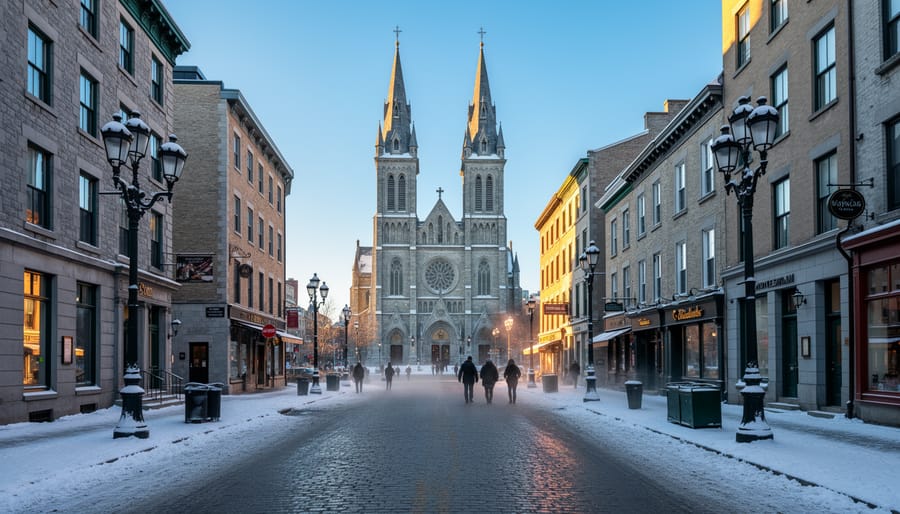
Here’s an insider advantage: the city starts rolling out holiday decorations and lights by mid-November, so you get that festive atmosphere without paying peak-season prices. Think Christmas markets beginning to open and seasonal installations appearing across Old Montreal, all while enjoying hotel rates that are hundreds of dollars cheaper than December.
The trade-off? Weather turns chilly, with temperatures hovering between 0-8°C and occasional rain or early snow. Pack layers and waterproof gear, but don’t let this deter you. Most of Montreal’s attractions are indoors or connected by the underground city network, making cold weather largely manageable.
For maximum savings, book mid-week stays and aim for the first three weeks of November before American Thanksgiving triggers a slight uptick in visitors. This timing delivers the biggest discount window while the city remains fully operational and welcoming.
What You’ll Actually Pay: Price Comparisons by Season
Let’s break down exactly what you’ll spend depending on when you book your Montreal trip. The difference between peak and off-peak pricing is substantial enough to impact your overall travel budget significantly.
| Season | Average Hotel Rate (per night) | Average Flight from NYC | Potential Savings (3-night trip) |
|---|---|---|---|
| Summer (July-August) | $220-280 | $320-400 | Baseline |
| Spring/Fall Shoulder (May, Sept-Oct) | $140-180 | $180-250 | $350-500 |
| Winter (January-February) | $110-150 | $150-220 | $500-700 |
These numbers tell a clear story. A three-night weekend trip in July from New York will run you approximately $1,200-1,600 for just flights and accommodation. The same trip in January? You’re looking at $600-900 total. From Chicago or Boston, expect similar proportional differences with slightly lower baseline costs.
Here’s an insider tip: booking during the first two weeks of November or late January gives you the sweet spot of low prices without extreme weather challenges. Hotels drop rates by 40-60 percent compared to summer, and you’ll find roundtrip flights from major US cities consistently under $200.
Attraction passes also fluctuate. The Montreal Museum Pass costs the same year-round at $75, but purchasing during off-peak means you’ll breeze through exhibitions without the summer crowds that slow you down. Many restaurants offer table d’hôte lunch specials for $18-25 that go up to $35-45 during peak season.
The real value extends beyond dollars saved. Those winter and shoulder season savings translate to roughly 30-40 percent less spent overall, which means you can upgrade your hotel category, add an extra day, or simply bank the difference while enjoying shorter lines and faster service everywhere you go.

The Time-Saving Advantage of Off-Peak Travel
Choosing to visit Montreal during off-peak periods doesn’t just save you money—it dramatically reduces the time you spend waiting, navigating crowds, and hunting for availability. This efficiency factor is particularly valuable for professionals who can’t afford to waste precious vacation days standing in line.
During peak summer months, popular attractions like the Notre-Dame Basilica or Mount Royal lookout can mean 45-minute waits just to enter. Visit in late October or March instead, and you’ll walk right in. The same applies to restaurants—securing a table at renowned spots in Old Montreal becomes a matter of minutes rather than days of advance planning or hours-long waits.
Transportation becomes noticeably smoother too. The metro runs more efficiently with fewer passengers, and you’ll actually find available Bixi bikes at docking stations. Navigating the city on foot is faster when you’re not weaving through tourist crowds on Rue Saint-Paul or waiting at crosswalks packed with sightseers.
Here’s an insider advantage: off-peak periods allow for genuine spontaneity. Spot an interesting boutique hotel with a stellar view? There’s likely availability. Want to try that buzzed-about restaurant tonight? Reservations are easier to snag. This flexibility means you spend less time rigidly adhering to advance bookings and more time actually enjoying Montreal.
For time-strapped professionals, this translates to more experiences packed into fewer days. You’re essentially gaining extra vacation hours without extending your trip. When you factor in both the financial savings and the efficiency gains, visiting Montreal during shoulder seasons from late October through early December or March through April becomes the smartest move for maximizing your limited time off.
Strategic Booking: When to Lock in Your Deals
Timing your bookings strategically can save you hundreds of dollars without requiring hours of price tracking. Here’s what works for Montreal’s cheapest travel periods.
For flights, the sweet spot is 6-8 weeks before your departure date, especially for winter trips. Airlines typically release their best fares during this window, and you’ll avoid both the inflated last-minute prices and the uncertainty of booking too far ahead. Set a calendar reminder to check prices at this interval rather than obsessively monitoring daily fluctuations.
Hotels operate differently depending on the season. During the ultra-quiet January through March period, last-minute bookings often yield surprisingly good deals as properties try to fill empty rooms. November visits require more advance planning—book 3-4 weeks ahead to secure competitive rates before the holiday season pricing kicks in.
Here’s your streamlined booking timeline:
- Identify your target travel dates during off-peak months (January to March or November)
- Book flights 6-8 weeks before departure for optimal winter pricing
- For January-March hotels, wait until 1-2 weeks before your trip to capitalize on last-minute deals
- For November accommodations, reserve 3-4 weeks in advance to avoid holiday rate increases
- Sign up for one fare alert service (avoid multiple to prevent inbox overload) for your preferred route
This approach gives you the best balance between savings and simplicity. You’ll spend minutes, not hours, securing competitive rates while avoiding the stress of constant price checking or booking too early when flexibility still has value.
What to Skip and What to Prioritize in Budget Months
Winter-Perfect Activities
Winter in Montreal offers compelling experiences that make the cold worthwhile. The city’s famous underground city exploration provides 33 kilometers of climate-controlled shopping, dining, and entertainment—perfect for avoiding subzero temperatures while still experiencing local life. This insider advantage means you’ll spend less time outdoors without missing cultural immersion.
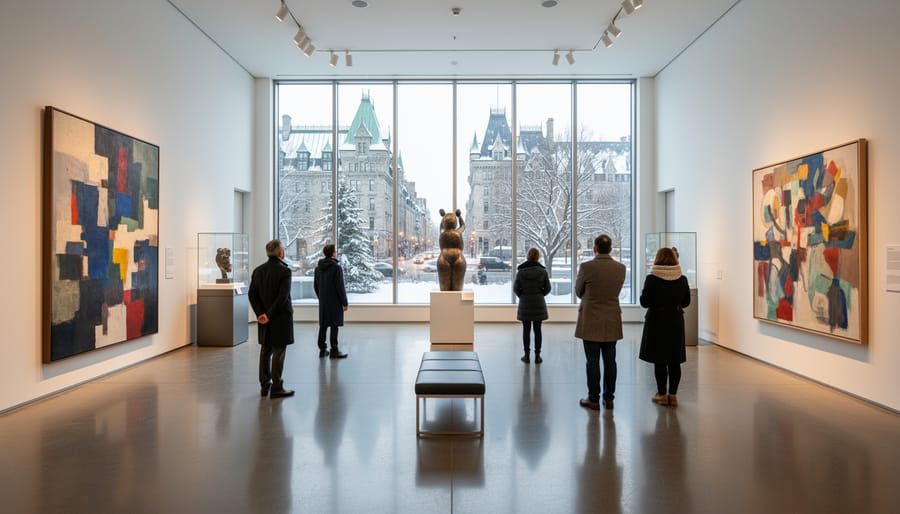
Take advantage of discount museum passes during winter months when attractions offer seasonal rates. The Montreal Museum of Fine Arts and Pointe-à-Callière often run promotions from January through March. For outdoor enthusiasts, ice skating at Beaver Lake and the Old Port is free or minimal cost, while Igloofest transforms winter into a unique electronic music festival. The trade-off is simple: embrace layers and thermal gear, and you’ll access authentic Montreal experiences at fraction of peak-season prices with virtually no crowds.
What You’ll Trade Off
Visiting during budget-friendly periods means accepting a few limitations. Winter months bring shorter daylight hours—sunset arrives around 4:30 PM in December—which reduces your sightseeing window. You’ll miss Montreal’s famous outdoor festivals like Jazz Fest and Just for Laughs that happen in summer. Some smaller restaurants and attractions close temporarily or operate on reduced schedules during January and February. Early spring can be unpredictable, with occasional rain and lingering chill requiring flexible wardrobe planning. However, these trade-offs are manageable for travelers prioritizing value and efficiency. Indoor attractions like museums, Old Montreal’s historic architecture, and renowned restaurants remain fully operational year-round, giving you plenty to experience without the premium price tag or summer crowds slowing you down.
Choosing the cheapest time to visit Montreal isn’t just about saving money—it’s a smart time-saving strategy that delivers maximum value with minimum hassle. By traveling during off-peak windows like January through March or mid-November, you’ll spend less time fighting crowds at popular attractions, waiting in restaurant lines, or dealing with overbooked hotels. The booking process becomes simpler too, with more availability and better deals that require less research and comparison shopping.
For busy professionals, this approach means you can plan your trip quickly and confidently. You’ll avoid the stress of premium-season prices while enjoying a more authentic, relaxed Montreal experience. The city reveals its true character when it’s not packed with tourists, giving you the freedom to explore at your own pace and maximize your limited vacation time.
Don’t wait for peak season to drain both your budget and your patience. Book during these off-peak windows and discover that the best Montreal experience is also the most affordable and stress-free one. Your wallet and your schedule will thank you.